EVERYDAY TECH / PRACTICAL DEVICE GUIDE
Choosing the Right Battery for the Devices You Use Most
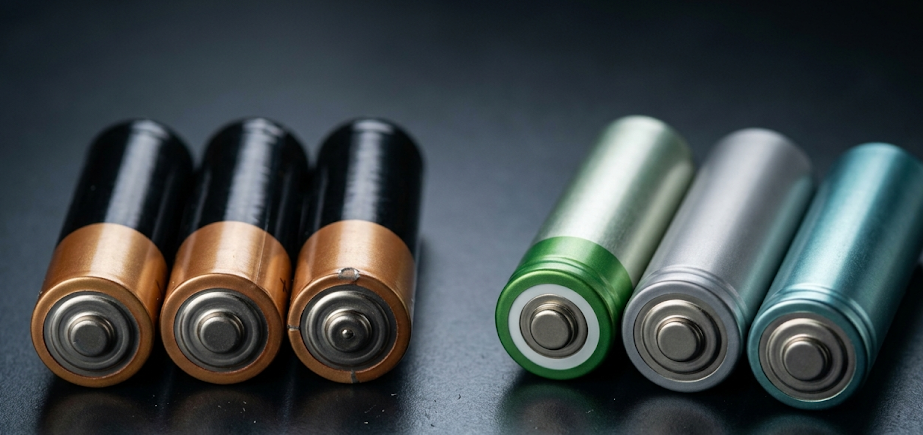
Compare disposable alkaline batteries with rechargeable alternatives to understand which offers better performance, convenience, and long-term value.
Walk through almost any home, and you will find devices powered by AA or AAA batteries. Television remotes, wireless computer accessories, children’s toys, flashlights, clocks, and portable electronics all depend on small sources of electrical energy.
When those batteries run out, an important question arises: should you replace them with ordinary alkaline batteries or switch to rechargeable ones?
The answer depends on how the device uses power, how frequently you replace its batteries, and whether convenience or long-term cost matters most.
Alkaline batteries remain popular because they are inexpensive to purchase, widely available, and convenient for devices that consume little power. Rechargeable batteries cost more initially but can be used repeatedly, making them attractive for equipment that needs frequent battery changes.
Neither option is automatically best for every device. Understanding the differences helps you choose more confidently and avoid unnecessary expense.
What Are Alkaline Batteries?
Alkaline batteries are primary batteries, meaning they are generally intended for a single discharge cycle rather than repeated charging. Standard AA and AAA alkaline cells use zinc and manganese dioxide chemistry with an alkaline electrolyte.
A fresh alkaline cell has a nominal voltage of approximately 1.5 volts. Its voltage gradually declines as it discharges, although the exact behavior depends on the electrical load and operating conditions.
Alkaline batteries are especially convenient for low-drain devices. A wall clock or television remote may operate for many months on a suitable set of alkaline cells.
They also have relatively low self-discharge when stored correctly, making unopened batteries useful for household supplies and emergency equipment.
However, once depleted, ordinary alkaline batteries should be replaced rather than recharged. Attempting to charge non-rechargeable alkaline cells can create leakage or other safety hazards.
What Are Rechargeable Batteries?
Rechargeable batteries are secondary batteries designed to be charged and discharged multiple times. For common household AA and AAA replacements, nickel-metal hydride batteries—usually called NiMH—are among the most widely used rechargeable options.
NiMH cells have a nominal voltage of approximately 1.2 volts. Although this is lower than the nominal voltage of alkaline batteries, many devices operate normally with them.
Rechargeable cells are particularly useful in devices that consume substantial power or require frequent battery replacement.
Examples include battery-powered toys, camera flashes, wireless gaming controllers, and certain portable audio devices.
Rechargeable batteries require a compatible charger and appropriate handling. Their usable capacity and service life depend on the specific product, charging conditions, temperature, and discharge patterns.
Not every battery labeled rechargeable uses NiMH chemistry. Rechargeable lithium-ion products also exist, but their voltage and charging requirements can differ significantly.
BATTERY OPTION 01
Alkaline
Best known for low upfront cost, convenient storage, and dependable performance in many low-power household devices.
BATTERY OPTION 02
Rechargeable NiMH
Designed for repeated use and often economical for devices that consume batteries quickly.
Battery Life: Which Lasts Longer?
Battery life is one of the most common reasons people compare alkaline and rechargeable batteries. However, the answer changes depending on the device.
In low-drain equipment, alkaline batteries may provide a long operating period because the device consumes electricity slowly. Their low self-discharge also helps when batteries remain installed for extended periods.
In high-drain equipment, rechargeable NiMH batteries can perform particularly well. They are often better suited to supplying substantial current without experiencing the same degree of voltage drop as alkaline cells under heavy loads.
For example, a battery-powered toy with motors may drain alkaline batteries quickly, while a good set of NiMH cells can be recharged and reused.
Actual runtime varies with battery capacity, discharge rate, temperature, device design, and battery condition. A higher capacity number on the packaging does not automatically guarantee longer runtime in every application.
Understanding the Voltage Difference
A standard alkaline AA battery is rated at approximately 1.5 volts, while a typical NiMH rechargeable AA battery is rated at approximately 1.2 volts.
This difference sometimes causes confusion because consumers assume the lower number means the rechargeable battery is weaker.
In reality, nominal voltage does not tell the whole story. NiMH batteries maintain a relatively stable operating voltage through much of their discharge, while alkaline battery voltage typically decreases more gradually.
Many modern devices can operate successfully with either chemistry. However, some products use battery voltage to estimate remaining charge and may display inaccurate low-battery warnings with NiMH cells.
Other devices may require a particular voltage range for reliable operation.
DEVICE COMPATIBILITY / IMPORTANT DISTINCTION
Lower Nominal Voltage Does Not Always Mean Lower Practical Performance.
Check the device manufacturer’s instructions before replacing alkaline batteries with rechargeables, particularly in specialized equipment.
Which Battery Is More Affordable Over Time?
Alkaline batteries usually have a lower purchase price. If you need batteries for a rarely used device, buying a disposable set may be the simplest and least expensive choice.
Rechargeable batteries require a larger initial investment because you need both the cells and a suitable charger. However, the same batteries can be reused many times.
Consider a simplified example. Suppose four alkaline AA batteries cost $4, while four rechargeable AA batteries and a charger cost $25.
If a device requires a new set of alkaline batteries every month, purchasing disposable batteries would cost approximately $48 over one year.
In that situation, rechargeable batteries could recover their initial cost within the first year, assuming they remain usable and electricity costs are modest.
These prices are illustrative rather than current retail quotations. Actual savings depend on local prices, battery quality, charging efficiency, and how often the batteries are used.
Which Batteries Work Best in Common Devices?
The most practical way to choose is to consider the power requirements and usage patterns of each device.
| Everyday Device | Often Better Choice | Main Reason |
|---|---|---|
| TV Remote | Alkaline | Low power consumption and infrequent replacement |
| Wall Clock | Alkaline | Long operating periods with minimal power demand |
| Gaming Controller | Rechargeable NiMH | Frequent use can make repeated charging economical |
| Motorized Toy | Rechargeable NiMH | Well suited to repeated high-current use |
| Camera Flash | Rechargeable NiMH | Good high-drain performance |
| Emergency Flashlight | Depends on model | Storage life, temperature, and maintenance requirements matter |
| Smoke Alarm | Manufacturer-specified type | Safety and device certification take priority |
These recommendations are general guidelines. The device manual should always take priority, especially for safety equipment and electronics with specific battery requirements.
Are Rechargeable Batteries Better for the Environment?
Rechargeable batteries can reduce the number of individual batteries consumed over time. This is especially valuable when they replace disposable batteries in frequently used devices.
However, rechargeable batteries also require materials and energy to manufacture. Their environmental advantage depends partly on how many times they are actually reused.
A rechargeable battery purchased for a device that is almost never used may offer less benefit than one regularly charged and discharged over several years.
Proper recycling is important for both battery categories. Collection and disposal rules vary by location and battery chemistry.
In the United States, local recycling programs and household hazardous waste services can provide guidance. Rechargeable batteries should be taken to appropriate battery collection facilities rather than placed loose in ordinary recycling bins.
How Long Do Rechargeable Batteries Last?
Rechargeable battery lifespan is usually discussed in terms of charge cycles and calendar age.
A charge cycle represents the use of an amount of energy equivalent to a full battery discharge, although the way manufacturers rate cycles can vary.
Quality NiMH batteries may remain useful through hundreds of charge cycles, with some products rated for substantially more under specified test conditions.
Real-world lifespan depends on storage temperature, charging practices, discharge depth, and cell quality.
Heat and unsuitable chargers can accelerate deterioration. Batteries also gradually age even when they are not being used.
For many households, the most important factor is choosing reliable batteries and using a charger designed for their chemistry.
Low-Self-Discharge Rechargeables Explained
Traditional NiMH batteries could lose a noticeable amount of charge while sitting unused. Modern low-self-discharge NiMH batteries are designed to retain more of their charge during storage.
This makes them more practical for devices that are used intermittently.
For example, low-self-discharge rechargeables may be useful in a flashlight or wireless accessory that sits unused for several weeks between uses.
Nevertheless, they are not identical to disposable alkaline batteries in every respect. Their voltage characteristics, charging requirements, and storage behavior remain different.
If long-term emergency storage is the priority, compare the manufacturer’s recommendations and storage-life information rather than assuming one chemistry is universally superior.
Battery Charging and Safety Tips
Rechargeable batteries are convenient, but safe charging practices are essential.
BATTERY CARE / PRACTICAL CHECKLIST
Choose a charger specifically designed for the battery chemistry and size.
Keep batteries away from hot vehicles, direct sunlight, and other extreme temperatures.
Avoid mixing different chemistries, capacities, or significantly different charge states in the same device.
Do not use cells that are leaking, swollen, severely corroded, or physically damaged.
Use only battery types approved by the equipment manufacturer.
What About Rechargeable Lithium-Ion AA Batteries?
Some products are sold as rechargeable lithium-ion AA or AAA replacements. These require additional attention because conventional lithium-ion cells operate at a higher nominal voltage than standard alkaline or NiMH cells.
Specialized lithium-ion AA replacements may include electronic voltage regulation to provide an output suitable for certain household devices.
However, they are not automatically compatible with every product, and their charging methods may differ from those used for NiMH batteries.
Never substitute an unregulated 3.7-volt lithium-ion cell for a standard 1.5-volt AA battery unless the device explicitly supports it.
For most households choosing between conventional alkaline and rechargeable AA or AAA batteries, NiMH remains a straightforward rechargeable option.
Frequently Asked Questions
Are rechargeable batteries better than alkaline batteries?
Rechargeable batteries are often better for frequently used, high-drain devices. Alkaline batteries can be more convenient for low-drain equipment and long storage periods.
Can I use rechargeable AA batteries instead of alkaline?
Often yes, but check the device instructions because rechargeable NiMH batteries have different voltage characteristics.
Why are rechargeable AA batteries rated at 1.2 volts?
The nominal voltage comes from the electrochemical properties of NiMH cells. It does not automatically mean they will perform poorly.
Which batteries are better for gaming controllers?
Rechargeable NiMH batteries are often economical for controllers that use replaceable AA cells and receive frequent use.
Do rechargeable batteries lose charge when stored?
Yes. All batteries experience some self-discharge, although low-self-discharge NiMH products are designed to retain charge better during storage.
Can ordinary alkaline batteries be recharged?
No. Standard disposable alkaline batteries are not designed for routine recharging and should not be placed in rechargeable battery chargers.
Which batteries should I use in a smoke alarm?
Use the exact battery chemistry and type specified by the smoke alarm manufacturer. Do not substitute rechargeable batteries unless explicitly approved.
Final Verdict: Which Battery Should You Choose?
For everyday household use, the best battery depends on how often a device needs replacement cells.
Choose alkaline batteries when you want a low upfront cost, long storage convenience, and dependable performance in equipment that consumes little power.
Choose rechargeable NiMH batteries when a device is used frequently, draws substantial current, or requires regular battery changes.
A mixed approach often makes the most sense. You might keep alkaline batteries for wall clocks and rarely used remotes while using rechargeables for gaming controllers, toys, and other frequently operated devices.
By matching battery chemistry to actual usage, you can reduce unnecessary replacements, manage household expenses, and keep your devices working reliably.