Category Archive

Battery Types

Alkaline vs Rechargeable Batteries Which Works Better in Everyday Devices?
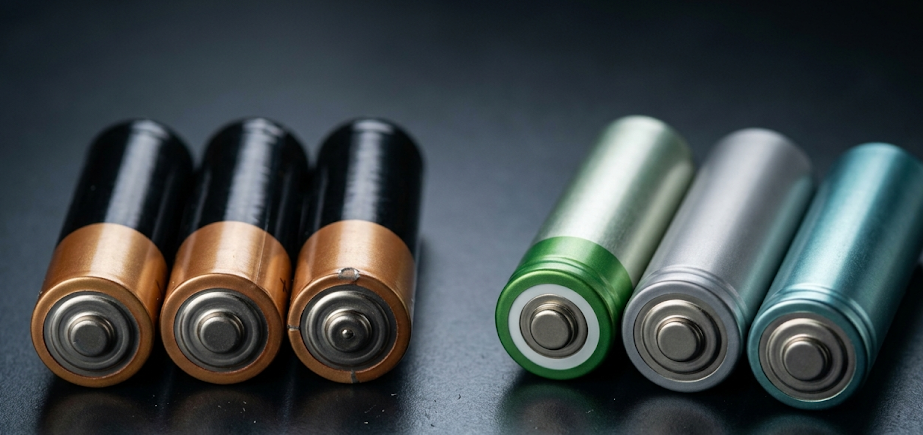
EVERYDAY TECH / PRACTICAL DEVICE GUIDE Choosing the Right Battery for the Devices You Use Most Compare disposable alkaline batteries with rechargeable alternatives to understand which offers better performance, convenience, and long-term value. BATTERY LIFE COST PER USE DEVICE COMPATIBILITY Walk through almost any home, and you will find devices powered by AA or AAA … Read more
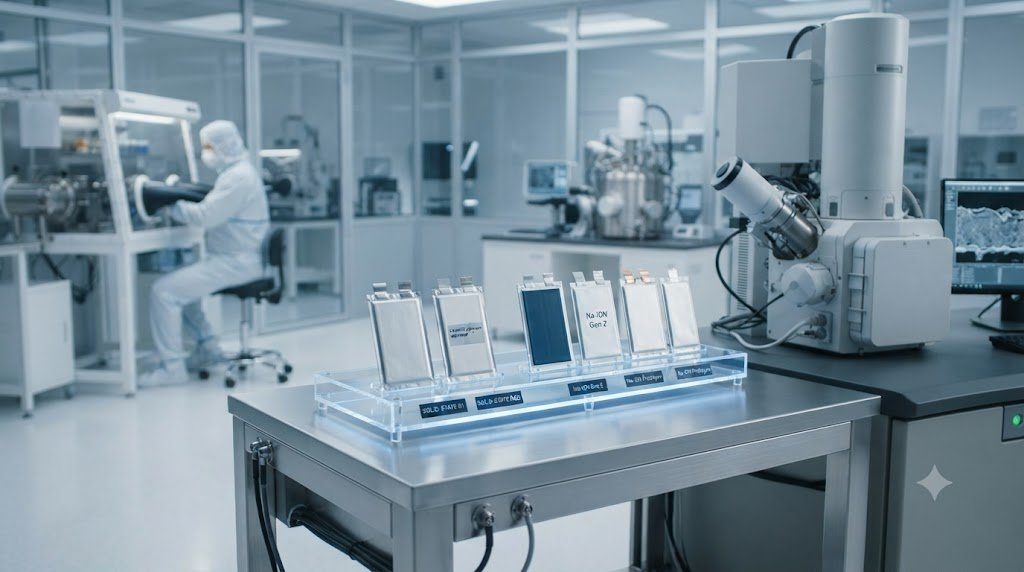
Emerging Chemistries: Sodium-Ion, Solid-State, and Lithium-Sulfur Breakthroughs

Next-generation battery chemistries—spanning sodium-ion ($Na$-ion), solid-state electrolytes, lithium-sulfur ($Li$-$S$), and multivalent metal-air systems—are poised to radically transform the landscape of mobile mobility and stationary energy storage. Driven by the urgent imperatives of mineral supply-chain sovereignty (bypassing scarce lithium, cobalt, and nickel deposits), dramatic safety enhancements through solid-state thermal runaway immunity, and theoretical energy density ceilings … Read more

Redox Flow Batteries: Vanadium, Zinc-Bromine, and Long-Duration Storage

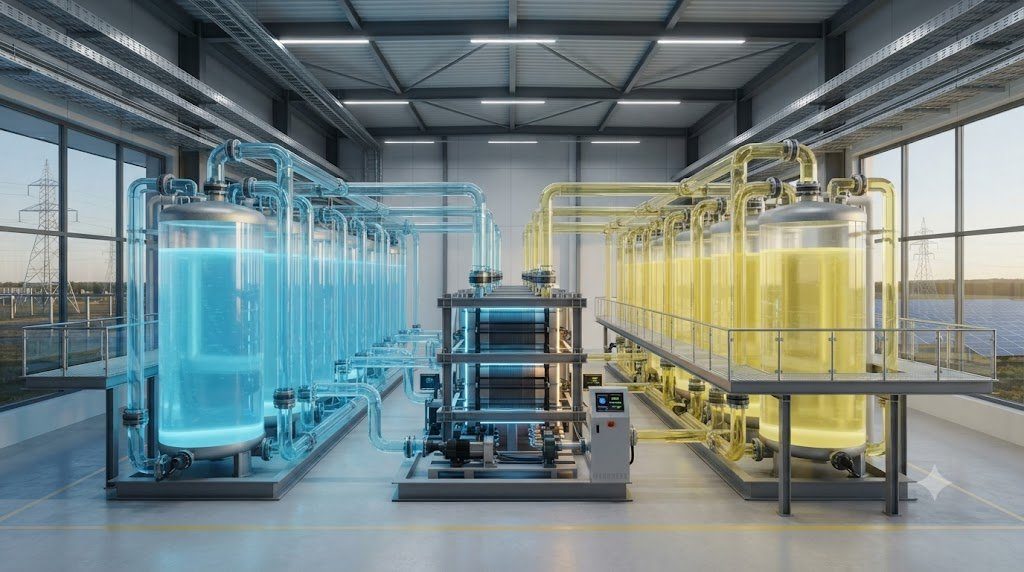
Redox Flow Batteries (RFBs), spearheaded by all-vanadium and zinc-bromine chemistries, represent the definitive electrochemical frontier for long-duration stationary energy storage (LDES). As renewable wind and solar generation penetrate electrical grids, utility operators face multi-hour and multi-day intermittency gaps that exceed the economical 2-to-4-hour duration of lithium-ion systems. Flow batteries solve this fundamental bottleneck by completely … Read more

Nickel-Based Chemistries: NiCd, NiMH, and Iron-Nickel Industrial Systems

Nickel-based alkaline rechargeable batteries, including Nickel-Cadmium (NiCd), Nickel-Metal Hydride (NiMH), and Nickel-Iron (NiFe), represent one of the most durable, resilient, and historically pivotal classes of electrochemical energy storage. From powering early portable consumer electronics, satellites, and hybrid electric vehicles like the seminal Toyota Prius, to safeguarding critical aerospace avionics and railway signaling, nickel chemistries exhibit … Read more

Lead-Acid Chemistries: Flooded, AGM, Gel, and Degradation Mechanisms

Lead-acid batteries represent the oldest commercial rechargeable electrochemical energy storage technology in human history. First demonstrated by French physicist Gaston Planté in 1859, lead-acid systems continue to command massive global market share across automotive starting, lighting, and ignition (SLI) applications, uninterruptible power supply (UPS) backbones, material handling equipment, and off-grid renewable installations. Despite the meteoric … Read more