Category Archive

Energy Storage

BESS Safety Standards: UL 9540A, Thermal Runaway Barriers, and Fire Suppression Systems

As stationary Battery Energy Storage Systems (BESS) scale into multi-megawatt-hour installations deployed near industrial centers, urban electrical substations, and commercial buildings, safety engineering has emerged as the definitive paramount discipline of the energy storage industry. High-profile fire incidents—such as the 2019 McMicken explosion in Arizona and the 2021 Victorian Big Battery fire in Australia—catalysed a … Read more
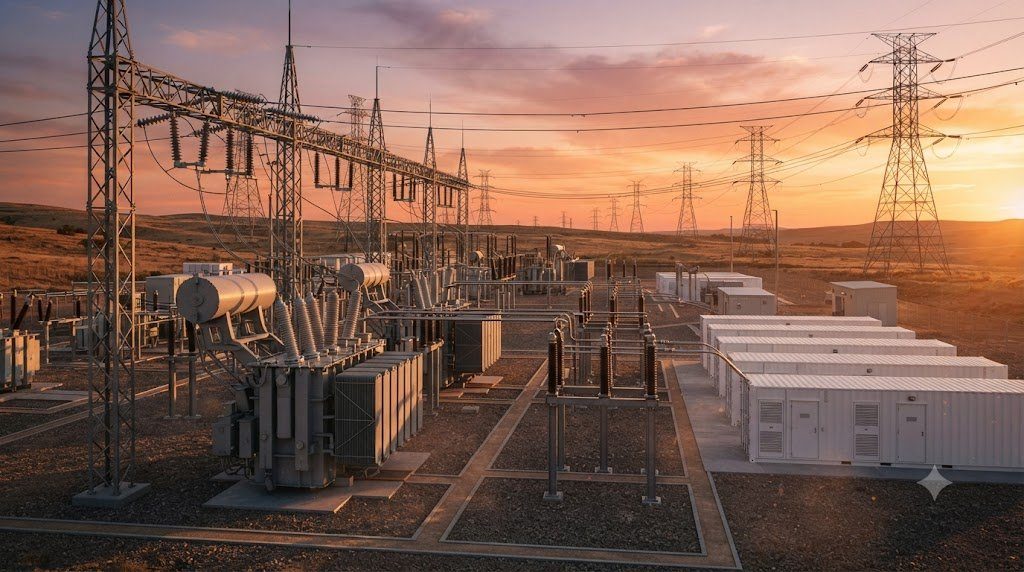
Grid Services: Frequency Regulation, Synthetic Inertia, and Black Start Capability

As traditional thermal generation stations—coal-fired boilers and open-cycle natural gas turbines—are retired in favor of inverter-based renewable generation, electrical power grids face unprecedented stability crises: collapsing system inertia, rapid rate of change of frequency (RoCoF), and severe local voltage volatility. Battery Energy Storage Systems (BESS) have evolved far beyond mere bulk kilowatt-hour time-shifting. Operating with … Read more

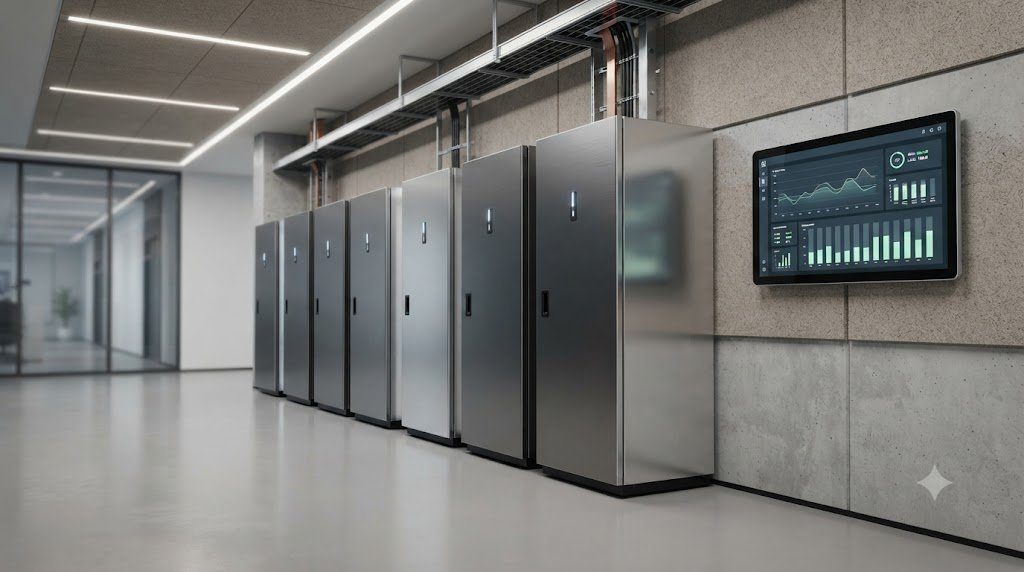
Behind-the-Meter (BTM) Storage: Demand Charge Management and Commercial Peak Shaving

While utility-scale energy storage operates in front of the utility meter on high-voltage transmission networks, Behind-the-Meter (BTM) Commercial & Industrial (C&I) Energy Storage operates on the customer side of the electric utility meter. Installed at manufacturing plants, corporate campuses, data centers, cold-storage warehouses, and hospitals, BTM systems transform corporate energy economics. By executing intelligent peak … Read more

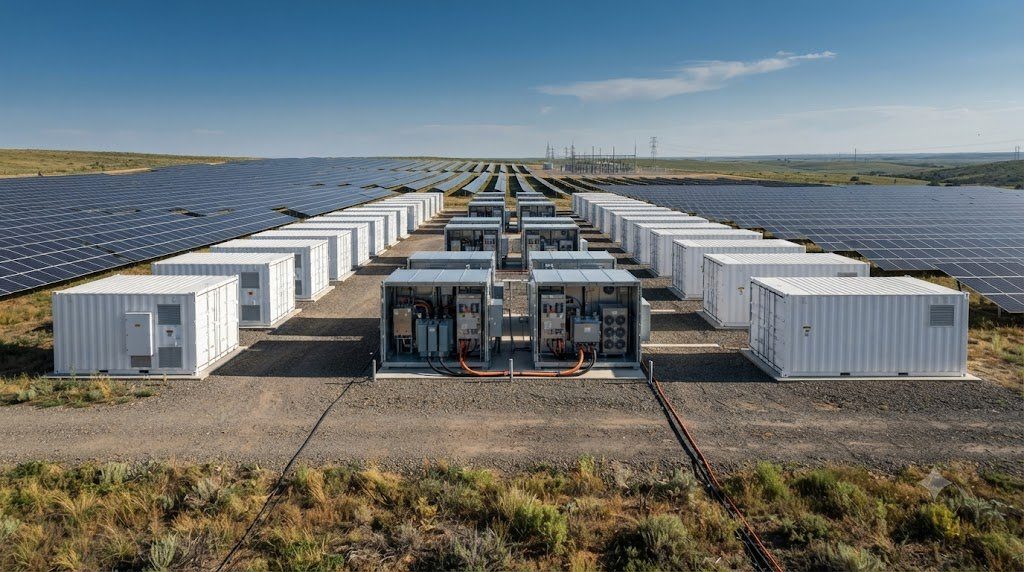
Utility-Scale BESS: Containerized Architecture, Inverter Topologies, and Megawatt Dispatch

The worldwide transition from baseload fossil generation toward variable renewable energy sources—principally solar photovoltaic and wind farms—demands massive multi-hour electrical buffering at transmission scale. Utility-Scale Battery Energy Storage Systems (BESS) represent the backbone of the modern decarbonized power grid. From 20-foot and 40-foot containerized lithium battery architectures to bidirectional Power Conversion Systems (PCS), medium-voltage transformers, … Read more